Inside Viana Penitentiary: An Operational Snapshot
A recently published photograph of the Viana Penitentiary in Angola offers a rare visual cue to the facility’s current state, prompting analysts to reassess the prison’s capacity, management practices, and its role within the country’s broader criminal‑justice reforms.
Historical backdrop and system context
Viana’s correctional complex was erected in the early 2000s as part of Angola’s effort to modernize its penal infrastructure after a prolonged civil conflict. The government positioned the institution as a “model” prison intended to replace older, overcrowded facilities and to showcase a commitment to humane treatment of inmates.
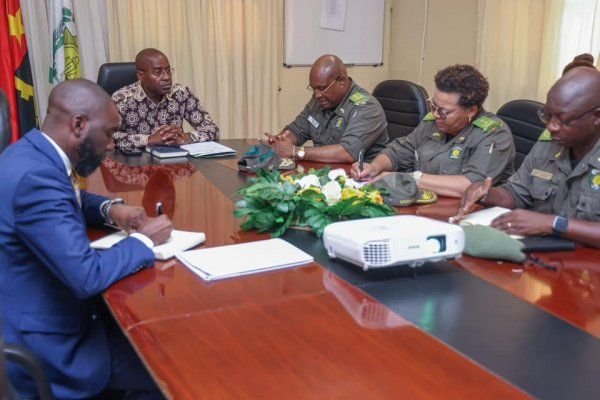
The image captures a newly painted façade, reinforced perimeter fencing, and a modest administrative wing. Such visible upgrades align with Angola’s 2015 penitentiary reform law, which mandated minimum standards for ventilation, lighting, and inmate classification.
Operational realities on the ground
While the photo suggests progress, the facility’s day‑to‑day operation remains shaped by a blend of resource constraints and evolving policy goals.
Capacity versus occupancy
- Designed capacity: Approximately 1,200 inmates.
- Current occupancy: Estimates vary, but reports from non‑governmental organizations indicate the prison often exceeds its intended limit by 10‑15 percent.
Staffing and training
Guard numbers have risen modestly since the reforms, yet turnover remains high due to limited career pathways and relatively low wages. Training programs now include basic human‑rights modules, but implementation is uneven across shifts.
Rehabilitation initiatives
The institution hosts a vocational workshop where inmates can learn carpentry and textile skills. Participation is voluntary, and completion can lead to reduced sentences under Angola’s “good behavior” provisions. However, the workshop’s capacity is limited, serving only a fraction of the prison population.
Implications for policy and public perception
Visual evidence of infrastructural improvements fuels optimism among reform advocates, but the gap between appearance and functional outcomes raises questions about the depth of change.
Human‑rights considerations
International observers have highlighted that physical upgrades do not automatically translate into better living conditions. Overcrowding, limited medical care, and occasional reports of disciplinary excess still surface in annual monitoring reports.
Future reform pathways
- Expand vocational training slots to align with the prison’s capacity.
- Introduce performance‑based incentives for correctional staff to improve retention.
- Strengthen independent oversight mechanisms to ensure compliance with the 2015 reform standards.
These steps could bridge the disparity between the promising visual narrative and the lived experience of inmates.
Concluding perspective
The fresh image of Viana Penitentiary underscores Angola’s willingness to invest in its correctional facilities, yet the true measure of progress will depend on sustained operational enhancements and transparent oversight. Stakeholders—from policymakers to civil‑society groups—must treat the photograph as a starting point, not a verdict, in the ongoing evaluation of Angola’s penal reforms.