How Identogo’s Criminal Background Checks Are Changing Hiring in Sweden
Sweden’s labor market is tightening, and employers are turning to digital tools like Identogo’s criminal background checks to balance efficiency with compliance—especially as remote work and gig economy roles expand. Unlike traditional methods that rely on manual reviews or outdated databases, Identogo integrates real-time data verification with local Swedish regulations, reducing false positives while meeting strict GDPR requirements. The platform’s adoption has surged among mid-sized firms and public sector hiring managers who need to verify candidates without sacrificing candidate experience. But how does it compare to legacy systems, and what should employers watch for when implementing it?
Why Sweden’s Hiring Landscape Demands Smarter Background Checks
The shift toward Identogo criminal background checks reflects broader trends in Sweden’s workforce. With nearly 20% of the labor force now engaged in temporary or freelance contracts (according to Statistics Sweden), employers face higher turnover and greater exposure to risks like fraudulent credentials or undisclosed convictions. Traditional background checks—often delayed by bureaucratic hurdles or incomplete data—can cost companies up to 3 weeks per hire, according to a 2023 report by the Swedish Employers’ Association. Identogo addresses this by pulling data directly from national registries like the Lantmäteriet and Skatteverket, with results delivered in under 48 hours. The key question isn’t whether background checks are necessary, but whether the method aligns with Sweden’s strict privacy laws and hiring speed.
How Identogo’s Process Differs from Manual Verification
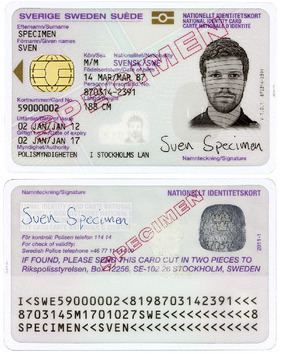
Most employers still rely on paper-based or third-party vendors that cross-reference names against public records. Identogo’s approach is more precise: it uses personnummer (Swedish personal identity numbers) to cross-check against the Polisens databas för brottsregister (Police Database of Criminal Records), reducing errors tied to name mismatches or outdated convictions. For example, a candidate with a common name like Johan Andersson might trigger false flags in a name-only search, but Identogo’s system flags only confirmed matches tied to the individual’s personnummer. This matters in sectors like childcare or finance, where even minor discrepancies can halt hiring.
The platform also automates GDPR compliance by default: it only requests data necessary for the check, stores minimal records, and provides candidates with a summary of findings. This contrasts with some legacy providers that bundle unrelated checks (e.g., credit scores) into the same request, raising privacy concerns. For hiring managers, the trade-off is clear: faster results with less legal risk, but at a cost—Identogo’s per-check fee averages 150 SEK, compared to 200–300 SEK for traditional vendors. The question is whether the speed and accuracy justify the expense for your organization.
---When to Use Identogo—and When to Look Elsewhere
Identogo shines in scenarios where speed and Swedish-specific compliance are critical. It’s ideal for:
- Public sector roles requiring verification of förtroendeuppdrag (positions of trust), where even minor offenses can disqualify candidates.
- Gig economy platforms (e.g., delivery drivers, freelance IT contractors) needing rapid, scalable checks without manual review.
- International hires relocating to Sweden, where combining Identogo’s data with EU-wide criminal records (via Europol’s PNR system) ensures full coverage.
However, Identogo may not suit employers with:
- High-volume hiring needs (e.g., retail chains), where bulk discounts from vendors like LexisNexis or Checkr offer better pricing.
- Roles requiring finansiell bakgrundskontroll (financial background checks), which Identogo doesn’t cover—those still require bank statements or credit reports.
- Candidates with complex legal histories (e.g., expunged records), where manual review by a Swedish legal expert may be necessary.
The bottom line: Identogo is a strong fit for employers prioritizing efficiency and local compliance, but it’s not a one-size-fits-all solution. The next step is to audit your hiring pipeline—how many of your current checks could be streamlined with digital tools like this?
---Actionable Takeaways for Swedish Employers
If you’re evaluating Identogo criminal background checks, start with these steps:
- Map your compliance gaps: Use Sweden’s Arbetsgivarverket guidelines to identify which roles require criminal checks (e.g., roles with access to minors or financial data).
- Test with a pilot group: Run a small batch of checks (e.g., 10–20 candidates) to compare Identogo’s results with your current method. Look for discrepancies in false positives or missed records.
- Train HR on GDPR nuances: Ensure your team understands how Identogo’s automated summaries differ from manual reviews, especially for candidates with protected status (e.g., asylum seekers).
- Negotiate bundled services: Some vendors offer discounts if you combine Identogo checks with other verifications (e.g., education credentials via Universitetskanslersämbetet).
For detail-oriented researchers, the most critical question isn’t whether Identogo works—it’s whether it works for your specific risks. The Swedish market is evolving, and the tools that fit today may not align with tomorrow’s hiring needs. The key is to treat background checks as part of a broader strategy, not a one-off solution.