USPS Selling Lost Packages: What Buyers Need to Know Before Bidding
When a package vanishes in transit, the frustration isn’t just about the lost item—it’s about the uncertainty that follows. The United States Postal Service (USPS) has quietly introduced a program where certain undeliverable or lost packages are resold to the public at steep discounts, offering a second chance for buyers willing to take a gamble. But before you bid on a mystery box, here’s what you should understand about USPS’s lost package sales and how to separate real deals from costly mistakes.
How USPS Sells Lost Packages—and Why It’s Happening
The USPS doesn’t just abandon packages that can’t be delivered. Instead, it auctions off undeliverable or unclaimed items through its official website and third-party liquidation partners. These packages—often containing brand-new, returned, or misrouted goods—are sold in bulk to resellers, thrift stores, and individual buyers at a fraction of their retail value. The program serves a dual purpose: clearing warehouse space and generating revenue from otherwise dead inventory.
Packages end up in this program for reasons ranging from incorrect addresses to damaged labels. Some are returned by recipients who changed their minds, while others are misrouted due to scanning errors. The USPS doesn’t disclose specific categories of items sold, but common finds include electronics, clothing, books, and home goods—often in original packaging.
What’s Inside? The Good, the Bad, and the Unusable
Not every lost package is a treasure trove. While some buyers strike gold with high-value items like unopened electronics or designer clothing, others end up with damaged goods, mismatched inventory, or items that are no longer functional. The key to success lies in managing expectations and knowing where to look.
For example, a buyer in Ohio recently won a lot of 20 sealed board games—only to discover half were missing pieces. Another found a pallet of brand-new winter coats, but sizes ran disproportionately toward children’s small. The lesson? Treat these auctions like a lottery: the more specific your search filters, the better your odds of landing something useful.
Pro tip: Check the auction listings for keywords like “unopened,” “original packaging,” or “new with tags.” These signals increase the likelihood of receiving an item in sellable condition.
Bidding Smart: How to Avoid Overpaying or Getting Scammed
USPS lost package auctions operate on a first-come, first-served basis, with prices starting as low as $5 for bulk lots. But the real savings come from patience—and strategy. Here’s how to bid wisely:
- Set a budget: It’s easy to get swept up in the thrill of a “steal,” but stick to a predetermined limit. Remember, even a $20 lot could end up costing $50 in shipping if you’re not careful.
- Read the fine print: Some listings include vague descriptions like “mixed lot” or “assorted items.” Others disclose weight or dimensions, which can help estimate shipping costs upfront.
- Compare listings: Don’t jump on the first deal you see. Scroll through multiple auctions to gauge fair market value—especially for high-demand items like electronics or collectibles.
- Check seller ratings: If buying through a third-party platform, verify the seller’s history. Look for reviews mentioning condition accuracy and shipping speed.
After the Win: What Happens Next?
Once you’ve placed a winning bid, the USPS or its partner will ship the package to you—but don’t expect tracking beyond a basic label. Delivery times vary widely, from a few days to several weeks, depending on the origin and the carrier handling the final leg. Some buyers report receiving items in as little as 3 business days, while others wait over a month for international lots.
When the package arrives, inspect it immediately. If the item is damaged or doesn’t match the listing, contact the seller or USPS customer service within 7 days to file a claim. Keep in mind that most auctions are final sale, so returns aren’t guaranteed unless explicitly stated.
Is It Worth the Risk? Weighing the Pros and Cons
For bargain hunters and resellers, USPS lost package auctions can be a goldmine. The potential for 80-90% discounts on retail-priced items is hard to ignore, especially for flippers or thrift store owners. However, the risks—damaged goods, mismatched inventory, and unpredictable shipping—mean this isn’t a reliable source for essential purchases.
Consider this approach if you’re comfortable with uncertainty and have the time to sift through listings. But if you’re looking for a specific item you need right away, traditional retail or trusted marketplaces like eBay or Facebook Marketplace may offer better peace of mind.
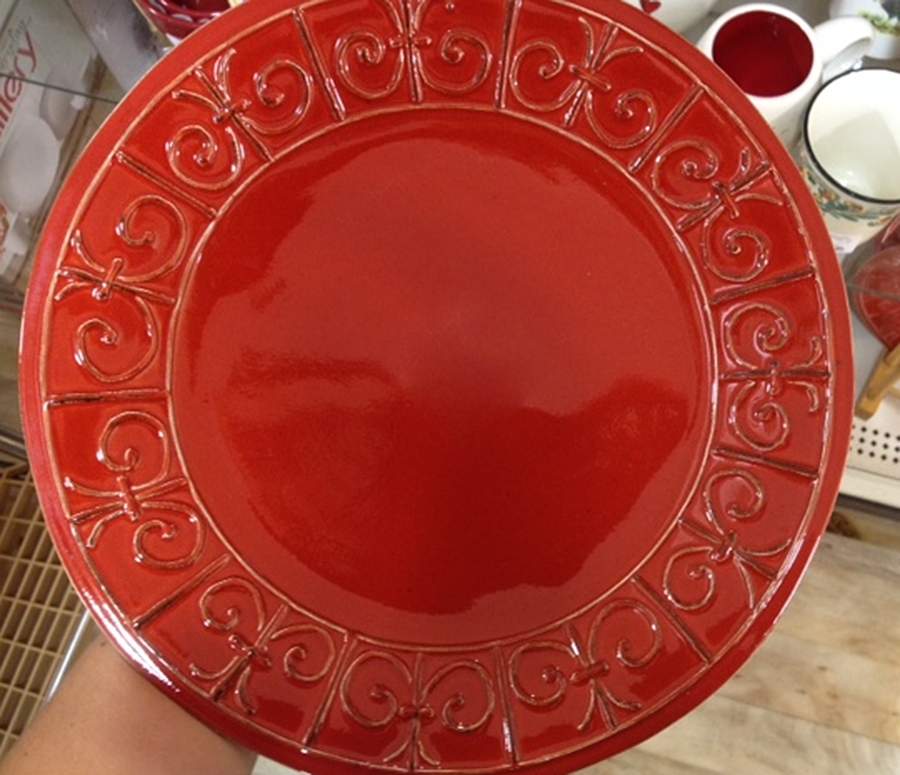
SWZ4 Dinner Plate By Sweet Ceramics (La Ceramica D'Italia
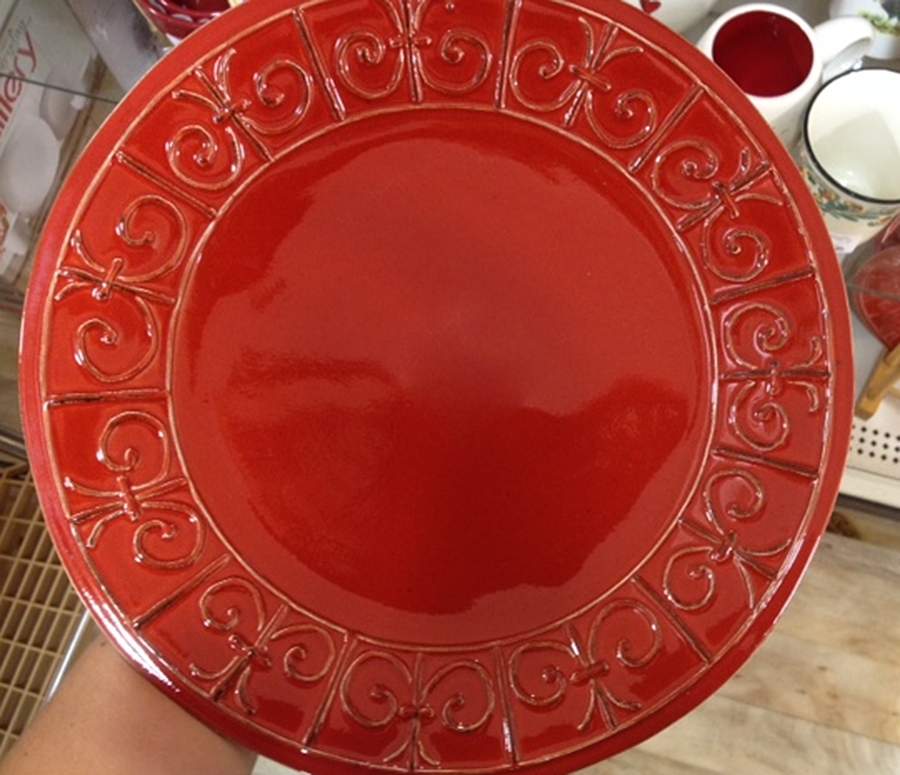
SWZ4 Dinner Plate by Sweet Ceramics (La Ceramica d'Italia ...