What Happened to Larry Sinclair: The Unsolved Mystery and Where It Stands Today
Larry Sinclair’s name resurfaced in headlines decades after his controversial claims about a high-profile relationship made him a polarizing figure. Once a relatively obscure figure, Sinclair became a subject of public fascination in the mid-2000s when he alleged an affair with a then-senator who would later become president. His story—part rumor, part legal saga—remains one of the most scrutinized but unresolved narratives in modern political lore.
The Allegations That Put Larry Sinclair in the Spotlight
In 2008, Sinclair publicly stated he had a sexual encounter with Barack Obama in 1980 while Obama was a student at Occidental College. These claims were first aired in a YouTube video and later amplified by conservative media outlets. Unlike many tabloid-style accusations, Sinclair’s story included specific details: a hotel receipt, a witness account, and a timeline that placed Obama in the same city at the time of the alleged incident.
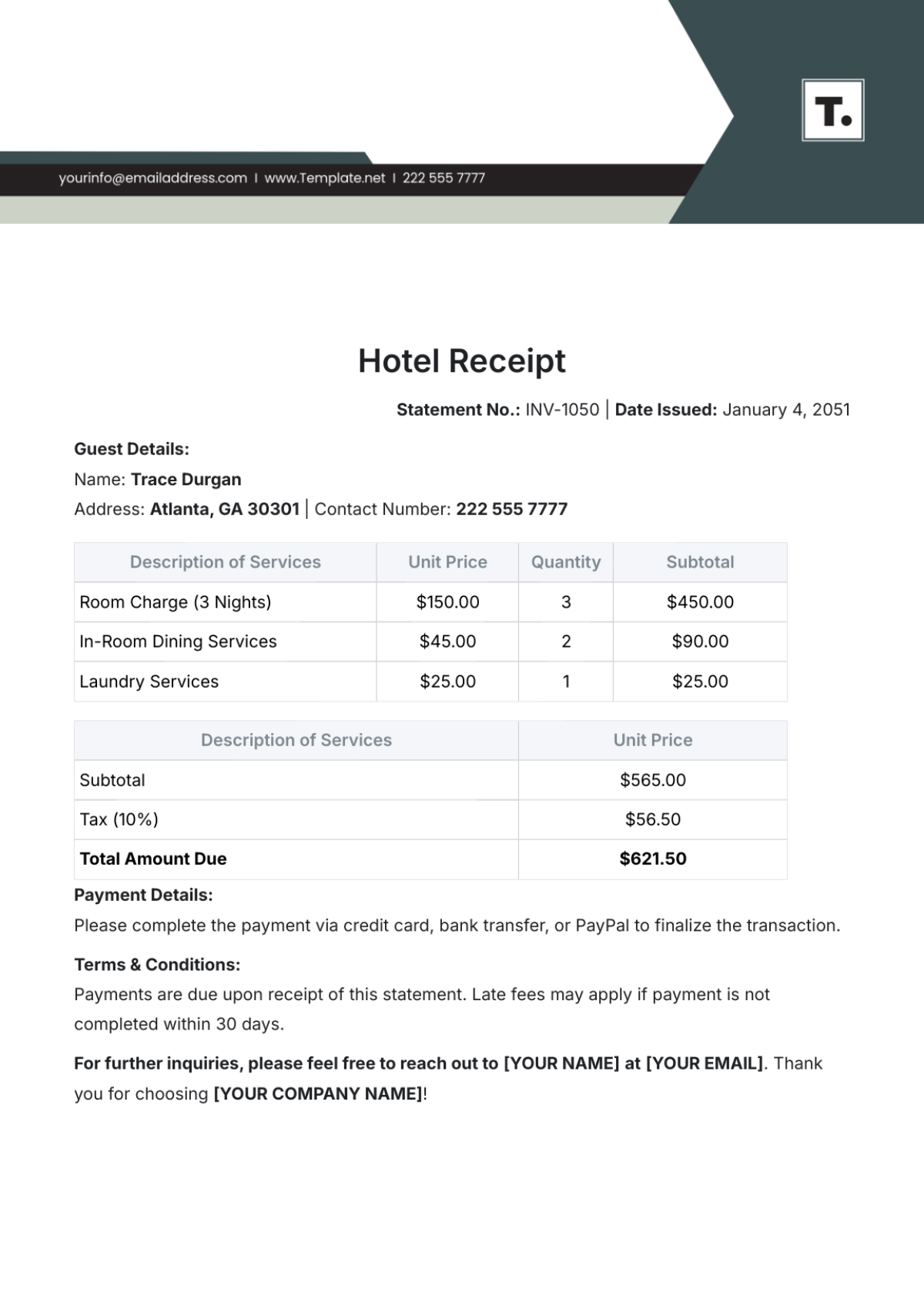
The hotel receipt, which Sinclair shared online, became a key piece of evidence—or lack thereof—for skeptics. Critics dismissed it as easily forged, while supporters pointed to it as proof of authenticity. The document, dated December 1980, listed a room charge of $44.95 at a Los Angeles hotel, but without corroborating evidence, its significance remained debated.
Legal Battles and the Absence of Hard Proof
Sinclair’s claims led to legal threats but no definitive resolution. Obama’s campaign never directly addressed the allegations beyond calling them “ridiculous” in 2008. Sinclair, however, pursued legal action against media figures who repeated his story without verification, including a defamation lawsuit against conservative commentator Floyd Brown. That case was dismissed in 2011 due to lack of evidence.
Forensic analysis of the hotel receipt Sinclair provided was inconclusive. Handwriting experts questioned its authenticity, and the hotel in question had no records matching the transaction. Without a smoking gun—such as a signed affidavit, DNA evidence, or a third-party witness—the story remained in the realm of hearsay.
Where Is Larry Sinclair Now?
Sinclair largely faded from public view after the initial legal dust settled. He resurfaced sporadically in interviews and social media posts, but his claims never gained mainstream traction. Unlike other conspiracy theories tied to Obama’s past, Sinclair’s story lacked the staying power of, say, the “birther” movement, which had institutional backing and media amplification.
Today, Sinclair operates a small business unrelated to politics, according to public records. His online presence is minimal, and his claims are rarely cited in current political discourse. The lack of new evidence or credible witnesses has left his story in a state of limbo—neither fully debunked nor proven.
Why This Story Still Matters Today
The Larry Sinclair saga is a case study in how unverified claims can circulate in the digital age. It highlights the challenges of fact-checking in an era where anyone can publish a narrative online, and where confirmation bias often overrides skepticism. Unlike fabricated scandals that rely on anonymous sources, Sinclair’s story included tangible “proof” that ultimately failed under scrutiny.
For observers of political disinformation, Sinclair’s story serves as a cautionary tale. It demonstrates how a single unverified claim—even one with circumstantial evidence—can dominate headlines for years without resolution. In an age where deepfakes and AI-generated content blur the line between truth and fiction, Sinclair’s experience underscores the need for rigorous verification before amplifying claims.
Ultimately, what happened to Larry Sinclair is less about his personal trajectory and more about the enduring power of unverified narratives. His story is a reminder that in the court of public opinion, the absence of proof is not always enough to silence a claim—nor is the presence of questionable evidence enough to validate it.